Inside the 2026 CORE Grants Study Section: Advancing Research in Otolaryngology
The return to an in-person study section enabled richer discussions, deeper scientific exchange, and renewed connections among leaders in otolaryngology.
Kaitlyn Tholen, AAO-HNSF Senior Program Manager, Grants, Research, and Quality

This year, the program received a record number of applications, including 266 letters of intent (14% increase from last year) and 196 full applications (11% increase from last year). Applications were submitted across funding opportunities supported by nine subspecialty societies and industry partners. New funding areas this year included genetic hearing loss, sleep, allergy, unified airway disease, and opportunities with AAO-HNSF's clinical data registry, Reg-ent.
Following the January application deadline, CORE Chairs and AAO-HNSF staff assemble the study section by matching reviewers to applications based on subject-matter expertise. Each reviewer spends approximately four weeks evaluating an average of six applications in advance of the study section meeting. Applications are assessed on significance and innovation, scientific rigor and feasibility, and the strength of the investigative team and research environment.
A defining feature of the CORE Grants Program is its NIH-style study section process. This approach ensures a fair and rigorous review while also serving as a valuable training experience for both reviewers and applicants. Even for unfunded applicants, detailed reviewer feedback provides valuable guidance to strengthen future submissions.
 2026 marked a return to an in-person study session format.
Return to In-Person Study Section
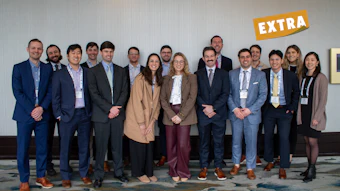
 General Otolaryngology Subcommittee reviewers.
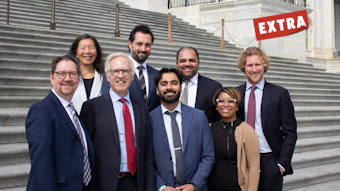
 Head and Neck Surgery Subcommittee reviewers.
CORE remains committed to expanding funding opportunities and supporting the development of the next generation of physician-scientists in otolaryngology. Equally important to this mission is the dedicated community of reviewers who contribute their time and expertise to ensure a rigorous and fair review process.
Benefits of Being a Reviewer
“This is my fourth year as a CORE grant reviewer, and I wish that I had started earlier in my career,” said Carol Yan, MD, CORE Reviewer. “I highly recommend this experience to senior residents, fellows, and junior faculty interested in research, whether clinical or translational. This experience is an outstanding opportunity to learn the nuances of grant review while contributing meaningfully to advancing our field.”
“Overall, I would strongly recommend serving as a CORE grant reviewer to otolaryngologists in training and to those early in their careers who are interested in the academic side of the field,” explained Tony Satroplus, MD, CORE Resident Reviewer. “A better understanding of the review process is invaluable for advancing personal career goals, strengthening departmental initiatives, and ultimately improving patient care through scientific inquiry.”
For anyone interested in contributing to the review process, CORE also welcomes volunteers to serve as reviewers. Interested individuals may contact COREgrants@entnet.org to learn more.
Awardees for this year’s cycle will be announced in May. Investigators at all stages are encouraged to explore upcoming opportunities when the next grant cycle opens in October.