Medical Student Perspective: Academy Advocates on Capitol Hill
Beyond just one meeting, this establishes a long-term symbiotic relationship with a congressional office, where they gain a trusted resource for ENT issues, and we gain insight into the legislative futures of bills we’re monitoring.
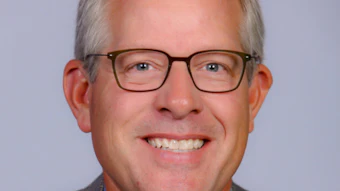
Uzair Khan, MS3, AAO-HNS Advocacy Intern
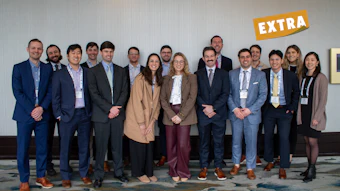
Last month, 39 AAO-HNS members convened in Washington, DC, for the return of the Academy’s Congressional Advocacy Day. For the first time since before the pandemic, physician advocates from across the country mobilized to educate legislators on the critical issues facing otolaryngologist-head and neck surgeons nationwide.
By all measures, the event was a success. In just one day of advocacy, the Academy’s physician advocates, grouped by their home states, met with over 70 congressional offices from across the political aisle to champion bipartisan legislation with real, tangible effects on otolaryngology practices and the patients we see every day. Among attendees, representation from a variety of practice settings and subspecialties was essential in ensuring the specialty’s legislative advocacy priorities were heard and understood throughout the nation’s capital.
 Attendees hear from Dr. Bobby Mukkamala, AMA President.
 Attendees gather at breakfast before heading to the Hill.
Advocating for the Specialty and Our Patients
As a current MD/MPH student at Indiana University and an aspiring otolaryngologist, I have spent the past six months working with the Academy’s advocacy team at the AAO-HNS headquarters just outside the nation’s capital. So far, much of the work I’ve been doing has been behind the scenes, such as conducting policy research on the efficacy of CMV screening or reimagining how advocacy resources are shared with the Academy’s membership. Congressional Advocacy Day placed this behind-the-scenes work into a broader context. Engaging directly with congressional offices reinforced the importance of advocating for the specialty and our patients.
 Engaging directly with congressional offices.
When I pulled back the curtain on Capitol Hill, I realized that conversations like these are what move the needle. Physicians are not your typical constituents. As trusted voices within our communities, we provide clinical expertise as well as countless stories on how these bills will have an impact on the lives of the patients we serve. These clinical realities are invaluable to lawmakers, as they provide context for just a few of the hundreds of bills that cross their desks every day. Beyond just one meeting, this establishes a long-term symbiotic relationship with a congressional office, where they gain a trusted resource when ENT issues arise, and we gain insight into the legislative futures of bills we’re monitoring.
During each meeting, physicians championed three key bills:
- Ally’s Act (H.R. 4606 / S. 3400) was inspired by Ally, a young girl born without a right ear or ear canal who was denied coverage for an osseointegrated device (OID). The act aims to prevent situations like this by requiring private insurers to cover medically necessary OIDs and cochlear implants for children and adults from birth to age 64.
- The Strengthening Medicare for Patients and Providers Act (H.R 6160) would correct the existing lack of annual inflationary payment adjustments for Medicare physician payment. Over the past 20 years, Medicare physician reimbursement has declined by more than 33% when adjusted for inflation, while medical practice costs have increased nearly 59%. If enacted, this legislation would create a stable, permanent, inflation-adjusted update to the Medicare conversion factor, similar to the methodology that already exists for other healthcare providers, such as hospitals and skilled nursing facilities.
- The Stop CMV Act (H.R. 5435 / S. 2842) focuses on screening for congenital cytomegalovirus (CMV). As the leading infectious cause of birth defects in the US, early detection is essential for timely treatment and reduction in lifelong hearing loss and other complications. The act would create a grant program to fund newborn screening for CMV within 21 days of birth, as well as support data collection, public education, provider training, and CMV research by the NIH.
As medical professionals, we know these priorities protect patients, strengthen practices, and support the otolaryngology community. As lawmakers consider these bills, hearing firsthand from the physicians impacted the most by this legislation is imperative. While the conversation started here, continued engagement in local, state, and national government ensures the legislative priorities of our patients will continue to be front and center year-round.
On a personal note, I have learned so much over the past six months through my role with the Academy. As my internship draws to a close and I look ahead to my future as a physician, I cherish the lessons I have learned from members and admire their unique perspectives that continue to advance the specialty’s future.
Become an Advocate
To receive regular AAO-HNS advocacy updates, including information about future events, sign up for the ENT Advocate, a monthly e-newsletter sent to members of the ENT Advocacy network. Each edition summarizes developments in federal, state, and health policy advocacy, and often includes updates on grassroots initiatives and ENT PAC activities. To learn more or become an advocate, visit www.entnet.org/advocacy or email govtaffairs@entnet.org.
Be sure to read our companion article, Physicians’ Perspectives: Academy Advocates on Capitol Hill in this issue.