Pearls from Your Peers: Evolving Knowledge of Sleep Disorders
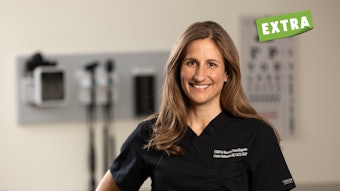
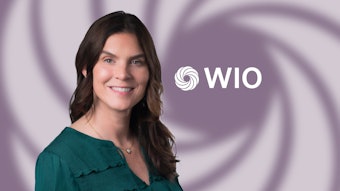
Meredith Lind, MD, interviewed Sveta Karelsky, MD, about the Sleep Disorders Education Study Group, the first step toward creating a new committee.

Meredith N. Merz Lind, MD, is the AAO-HNSF Coordinator for Education. In this article, she discusses the creation of the Sleep Disorders Education Study Group, the first step toward creating a new committee, with Sveta Karelsky, MD, a practicing sleep surgeon and Chair of General Otolaryngology and Sleep Education Committee (GOSEC). As diagnosis and treatment of sleep disorders become an ever-growing portion of otolaryngology practice, the AAO-HNSF is evaluating the need for a dedicated Sleep Disorders Education Committee. GOSEC is currently responsible for sleep disorders education; however, expanding diagnostic options and medical and surgical treatments for sleep disorders may warrant a separate Education Committee.
Why did you feel that now is the time to break out sleep disorders education from GOSEC?
The field of sleep disorders in otolaryngology has grown exponentially over the past decade or so, evolving from primarily surgical interventions such as tonsillectomy and uvulopalatopharyngoplasty aimed at sleep-disordered breathing conditions to a much broader scope that includes advanced diagnostics, neuromodulation therapies, and multidisciplinary management. GOSEC members have done excellent work integrating sleep topics into general otolaryngology education, but the sheer volume and complexity of new developments—such as hypoglossal nerve stimulation (HGNS), expanded roles for drug-induced sleep endoscopy (DISE), and emerging pharmacologic and adjunct treatment options—now warrant this dedicated focus. By working toward a standalone Sleep Disorders Education Committee, we can better address practice gaps, develop targeted resources, and ensure that our members receive specialized, up-to-date education without diluting attention from other critical general otolaryngology areas. The Sleep Disorders Education Study Group is an important first step to assess needs and opportunities, gather input from diverse stakeholders, and lay the groundwork for this transition.
How have you identified members for the new study group? Will the group include both pediatric- and adult-focused otolaryngologists?
We prioritized a balanced, representative group by soliciting nominations and expressions of interest through AAO-HNS/F channels, including both adult and pediatric sleep-focused otolaryngologists. Selection criteria emphasized experience in the management of sleep disorders, proven commitment to education, and geographic and practice diversity. The study group deliberately includes both pediatric- and adult-focused otolaryngologists to reflect the full spectrum of our specialty because pediatric obstructive sleep apnea (OSA) management differs significantly in approaches (such as adenotonsillectomy) versus adult options (such as HGNS), and we want to ensure that the education content addresses both populations effectively. This inclusiveness will help identify unique educational needs across age groups and promote comprehensive resources.
What are some of the new diagnostic and treatment modalities in sleep-disordered breathing that otolaryngologists should be familiar with?
Several advancements have transformed how we approach positive airway pressure (PAP)-alternative management of sleep-disordered breathing. On the diagnostic side, drug-induced sleep endoscopy (DISE) remains essential for patient selection for surgical therapies, and integrating ongoing DISE-related research enables a more comprehensive assessment of the OSA airway. Home sleep testing technologies continue to improve, offering greater accessibility.
Therapeutically, HGNS has expanded eligibility criteria, and treatment options have evolved and will continue to do so in the coming years, including several new-to-market systems and companies developing new versions of their existing products. Weight-loss medications such as GLP-1 receptor agonists show promising reductions in OSA severity for patients with obesity, often as adjunctive therapy. Oral appliance therapy refinements and positional therapies also continue to evolve. These options highlight the shift toward personalized, multi-modal care, and otolaryngologists are uniquely positioned to lead in upper airway evaluation and intervention. I think the most exciting next frontier in the field is eventually synthesizing new knowledge into a precision-medicine diagnostic and management approach to sleep disorders.
What do you recommend to Academy members who would like to incorporate more advanced sleep disorders diagnostic and treatment techniques into their practice?
Start with building a strong foundation: pursue targeted CME through AAO-HNSF courses and attend sleep-focused sessions at the Annual Meeting. Eventually, consider board certification in sleep medicine if it aligns with your goals. Stay engaged with clinical practice guidelines, including those published and endorsed by the AAO-HNSF. Make sure you have a strategy to stay on top of emerging literature to ensure evidence-based practice.
It is very important to educate your medical community about the breadth of treatment options available to patients with sleep disorders. This will enable patients to access personalized care and help build your practice. Patient education is also critical, with shared medical decision-making playing a central role in this field.
For advanced techniques like DISE and HGNS, seek hands-on training through fellowships, workshops, or proctored cases; collaboration with established sleep surgeons is invaluable. Partnering with sleep medicine colleagues in pulmonology, neurology, and other disciplines for multidisciplinary management is also an important element of optimal patient care.