An Interview with the Academy’s New Coordinator for Member Engagement
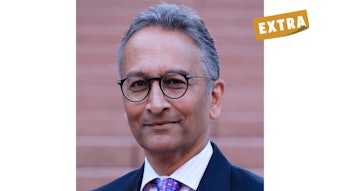
The Bulletin interviewed Cristina Baldassari, MD, the new AAO-HNS Coordinator for Member Engagement, to learn about her goals and expectations for this newly created position.
John M. Trumbo, MA, AAO-HNS/F Senior Writer
 Cristina Baldassari, MD
What about the Coordinator for Member Engagement position did you find appealing?
This position appealed to me because it offered an opportunity to drive initiatives that can boost member participation and satisfaction in the Academy. Having just finished serving as the Chair of the AAO-HNS Board of Governors (BOG), I've seen firsthand the impact of effective engagement strategies. The BOG has been revitalized following a successful strategic campaign to engage members in advocacy initiatives. I am excited to utilize the lessons learned from my leadership in various Academy roles to foster a more connected and vibrant AAO-HNS community.
What are your goals for your first year in this new position?
In my first year, I aim to focus on two key areas to lay the groundwork for future engagement initiatives. These include the AAO-HNS Young Physicians Section (YPS) and the AAO-HNS/F committee structure.
Can you identify a few areas of member engagement that you think need the most attention right now?
One of the first initiatives we are working on is engaging YPS members. These individuals are the future leaders of our Academy. To improve engagement among this group, we need to better understand their needs and ensure that the Academy provides value for them. From a committee standpoint, there are over 900 members who engage in the Academy through committee work. We want to ensure that our committee structure is efficient and inclusive. We have just finished conducting surveys of the committee chairs and staff and are developing recommendations for updating our committee structure. Potential initiatives include leadership training for committee chairs, updating committee charges and workflows, and re-evaluating committee composition to ensure diversity.
How would you like to see this new position evolve over time, and what plans have you envisioned to support member engagement moving forward?
I envision this position evolving into a key driver for strategic initiatives that foster long-term member engagement and organizational unity. In the future, I plan to enhance international member involvement through initiatives with the Coordinator of International Affairs. I would also like to leverage our Academy sections, including developing formal mentorship and leadership opportunities.
Considering this new role and your other previous positions, what inspired you to become involved with the Academy in a leadership capacity?
My service to the AAO-HNS through various leadership roles has been one of the highlights of my career. I really enjoy interacting with otolaryngologists from different practice types, career stages, and regions of the country. Witnessing the impact of effective leadership in supporting both my colleagues and my patients inspires me to remain involved in our professional community.
What do you tell otolaryngologists who may be considering joining the Academy? And why do you think it is important for members to stay connected to and engaged with the Academy and their peers?
I convey to potential members that joining the Academy means being part of a network of colleagues that allows for engagement and mentorship. The Academy provides opportunities for learning, collaboration, and advocacy. Staying connected to the Academy and engaged with peers is crucial for professional growth, as is keeping current with advancements in our field, and contributing to important initiatives that enhance patient care and professional standards.
Can you share an advocacy initiative that was especially rewarding?
An exceptionally rewarding advocacy initiative was our campaign to revitalize the AAO-HNS State Trackers program. This program is important because it enables early identification of state bills that may affect our practices or patients. By collaborating with the BOG Executive Committee, BOG Socioeconomic and Grassroots (SEGR) Committee, and Academy staff, we successfully recruited State Trackers for the majority of the 50 states. State Tracker meetings were revamped to provide education and to facilitate the sharing of best practices among members.
As an academic otolaryngologist, how do you balance work/family life—devoting appropriate attention to your patients, residents, and your family—to achieve your professional and personal goals?
Balancing work and family life is challenging. We have responsibilities to both our patients and our families. There is often little time left for additional commitments. I try to focus on projects and initiatives that I am most passionate about and will allow me to have the biggest impact.
What advice might you offer to members considering leadership roles within the Academy?
For members considering leadership roles, I advise embracing opportunities for growth and service while focusing on the value you bring to others and the specialty. Building strong relationships and actively listening are important tips to remember.
Discover how you can get involved in leadership opportunities within the Academy!