Stories from the Road: Kenyatta National Hospital
A resident describes his experience volunteering with the Sikiza Society, a humanitarian organization created to expand education, advance research, and improve healthcare in otolaryngology-head and neck surgery across the East African region.
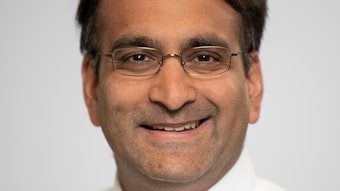
Bronson Wessinger, MD, on behalf of the Humanitarian Efforts Committee
 Bronson Wessinger, MD

Location and Need
Kenyatta National Hospital, the teaching hospital located in Nairobi, Kenya, and affiliated with the University of Nairobi, hosts one of the few otolaryngology residency programs on the African continent. Serving a population of approximately seven million people, the hospital faces high demand, especially for the treatment of chronic ear disease—a common and often debilitating condition in the region.
To address limited OR access and growing patient need, Dr. Ayugi helped establish the Royal Eye and Ear Hospital in Nairobi’s Parklands neighborhood. This facility includes two dedicated operating rooms and serves as a hub for high-volume otologic surgery and training. Dr. Ayugi, one of only a handful of fellowship-trained neurotologists in Kenya, receives referrals for some of the country’s most complex pathologies. Whenever possible, particularly challenging cases are scheduled during Dr. Bush’s biannual visits, fostering clinical collaboration and advanced resident education on both sides.
Surgical Exchange and Shared Learning
In September 2025, our team operated alongside Dr. Ayugi and his colleagues at the Royal Eye and Ear Hospital. Each day began at 7 a.m., with residents from both programs gathering to review imaging, discuss surgical strategy, and finalize operative plans. These joint discussions not only highlighted regional variations in disease presentation but also showcased the problem-solving skills and adaptability of the University of Nairobi residents.
Surgery began around 8 a.m. in the two adjoining ORs, connected by a central foyer equipped with microscope video monitors. These screens enabled all team members to observe each case, creating a highly dynamic learning environment. With over 35 otolaryngology residents in the University of Nairobi program, primary surgical opportunities are more limited than in the United States, making these sessions a rare and valuable chance for hands-on experience.
 Residents from the University of Nairobi and the University of Kentucky perform a revision canal wall down mastoidectomy on a patient with fibrous dysplasia and maximal conductive hearing loss.
In addition to complex cases, we exchanged techniques for common surgical steps. I had the chance to demonstrate how I have been taught to identify and elevate the mastoid periosteum efficiently. At the same time, the Nairobi residents shared their preferred approach to meatoplasty—a method I hope to incorporate into my own practice moving forward.
Academic Exchange and Lasting Connections
Our final day featured a five-hour academic symposium attended by otolaryngology residents, junior trainees, and students from Kenya’s newly launched Speech-Language Pathology and Audiology Program—the country’s first. We presented interesting cases from the U.S., shared surgical tips, and led interactive sessions on topics like tympanoplasty graft selection. The day concluded with Dr. Bush leading a mock oral boards session, during which I was deeply impressed by the Nairobi residents’ clinical acumen and depth of knowledge.
Reflections and Looking Ahead
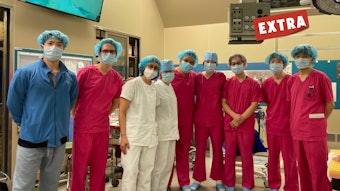
 Otology trainees and professors from the University of Kentucky ENT department and the University of Nairobi ENT and Audiology-SLP departments.
We’ve already begun planning future exchanges, including upcoming visits to Kentucky by University of Nairobi residents. These enduring bonds—between colleagues, institutions, and cultures—are the true legacy of the Sikiza Society. I am grateful to have been part of this experience and optimistic about the continued impact this partnership will have on global ear care and education in the years ahead.
Program Details
Clinical Emphases:
- General Otolaryngology
- Laryngology
- Otology/Neurotology
Financial Aspects: Travel costs and living expenses are about $1,000 to $2,000 in total for a seven- to 10-day trip.
Language Skills: English
Global Region: Sub-Saharan Africa
Coordinator Contact Information
Lisa Gardner
Email: lisa.gardner@uky.edu
Phone: 859-257-5405
Address: 740 S. Limestone Third Floor, Wing C, Lexington, KY 40536
https://medicine.uky.edu/departments/ent