10 Tips for a Successful Scientific Abstract Submission for #OTOMTG26
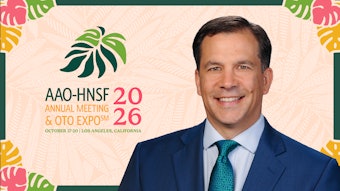
The Call for Science for the AAO-HNSF 2026 Annual Meeting & OTO EXPO is open through January 26!
Michele Carr, DDS, MD, PhD, FRCSC, Annual Meeting Program Committee member
 Michele Carr, DDS, MD, PhD, FRCSC
- Have some data and start early. You need a project with analyzed data describing an ENT-related clinical problem. Choose your collaborators carefully. Consult your PI or senior author early. They can guide you through this process.
- Check the requirements in the Call for Science Submission Guidelines. Read it completely for formatting, character count, eligibility information, and submission protocol.
- Write your abstract, making it clear and concise. Preserve your character count by using digits and not spelled-out numbers, acronyms that you define at first use, and simple words.
- The Results section is where the money is. Describe your population: N, mean age, gender, whatever is relevant. Include outcomes and relevant analysis - 95% CI and/or p-values. No tables or graphs. This should be your biggest section.
- Conclusion is not a summary. Don’t waste your space repeating your results. Situate your study in a broader context, focusing on clinical impact since the majority of attendees are clinicians.
- Check for spelling and typos. Mistakes here cast doubt on your attention to detail for the whole project.
- Your title should be descriptive, don’t make reviewers and attendees guess what you’re going to talk about. Cute is okay but make it cute and accurate. Maximum 15 words (it's in the Guidelines!).
- Choose whether you want to submit as a Scientific Poster or Scientific Oral presentation. A Poster is suitable for lower-impact studies, such as local or small-scale projects. If your Poster is accepted, your group is responsible for covering the cost of making the Poster, which is submitted some weeks before the Annual Meeting. The presenter must attend the meeting. A Scientific Oral is six minutes maximum, and you must submit your manuscript to Otolaryngology–Head and Neck Surgery or OTO Open by a specified deadline noted in the guidelines. Both formats are important for the success of highlighting clinical advancements in the specialty. Also, choose your Specialty Area with thought to where your paper fits audience-wise. Who’s going to want to listen to your presentation?
- Consult your PI again for final approval of your submission. All authors must contribute and approve the submission. Everyone must log in to complete a conflict-of-interest disclosure. You need their correct email addresses for your submission.
- Ok, you’ve hit submit! You’ll get a confirmation email. Your work is now embargoed until the meeting if you get accepted, or until notification of rejection (resilience, remember!). Accepted work must be submitted to Otolaryngology–Head and Neck Surgery or OTO Open prior to being considered for any other journal. If your request to present is declined it doesn’t mean that your work has no value—make edits, finish it up, and submit it for publication.

Dr. Carr is a professor in the Department of Otolaryngology at the University at Buffalo. She has had over 190 scientific abstracts accepted for presentation at the AAO-HNSF Annual Meeting.