Stories from the Road: SPARK Gorongosa, Mozambique
Most Mozambicans have little or no access to specialized ear care.
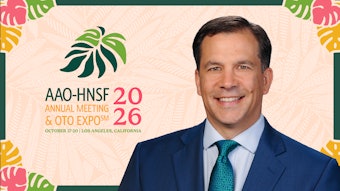
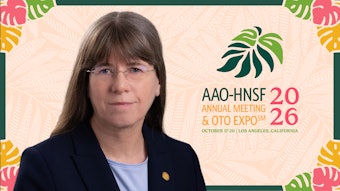
Peter Santa Maria, MD, PhD, on behalf of the Humanitarian Efforts Committee
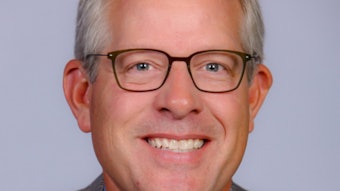
Peter Santa Maria, MD, PhDThe Department of Otolaryngology at the University of Pittsburgh, led by Peter Santa Maria, MD, PhD, and Mohit Singhala, PhD, established the SPARK Gorongosa program in 2024 to address urgent unmet health needs and develop sustainable solutions in rural Mozambique. The team recently held their second working group meeting alongside a dozen local healthcare students. Although the program addresses a broad spectrum of health challenges, otolaryngology remains central due to the leaders’ expertise.
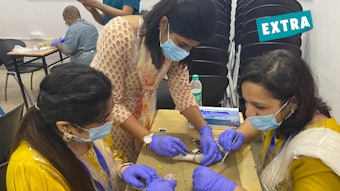
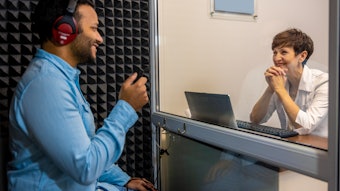
Local health workers address unmet medical needs.In a country with only around 13 otolaryngologists for nearly 32 million people, most Mozambicans have little or no access to specialized ear care. SPARK Gorongosa collaborates closely with local healthcare providers and educators to build lasting clinical capacity, offer hands-on training, and implement accessible innovations—such as the Earflo® device for otitis media with effusion—particularly in settings where surgery is not possible. The initiative enables local health workers to address unmet medical needs independently of government or large-organization funding, ensuring that skills and resources persist within the community after each visit. Improving ear health has become a signature area of impact for SPARK Gorongosa.
Location and Need
Gorongosa National Park, centrally located in Mozambique, serves as the focal point for SPARK Gorongosa’s activities, with healthcare innovation delivered from this conservation-oriented location.
Mozambique faces an acute shortage of otolaryngology and audiology care, with about 13 otolaryngologists mainly in urban centers. Childhood middle ear diseases such as otitis media with effusion are highly prevalent, driven by frequent respiratory infections, indoor smoke, scarcity of clean water, and limited public health knowledge. With so few specialists, most children depend on community health workers for care, often resulting in undiagnosed conditions, missed schooling, and long-term hearing loss. SPARK Gorongosa brings scalable, non-surgical innovations like Earflo alongside education programs to fill these gaps, aiming to protect thousands of children from preventable disability.
Clinical Impact
The SPARK team worked side by side with Mozambican healthcare professionals, nurses, and conservationists.In Gorongosa, the SPARK team worked side by side with Mozambican healthcare professionals, nurses, and conservationists, delivering ear care in village clinics and schools. At a rural outpost, the team saw firsthand how a single health worker, now equipped with Earflo and simple diagnostic tools, could screen and manage ear infections without a physician present. Local teachers and caregivers expressed gratitude for the new skills and consistent mentorship received.
By fostering self-reliance, the SPARK program enables local teams to train each other, review clinical outcomes, and continuously adapt solutions for evolving needs—seamlessly linking healthcare with the broader conservation mission in Gorongosa communities.
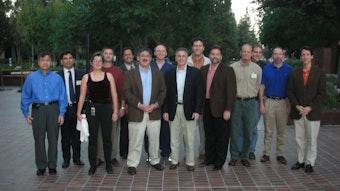
The SPARK Gorongosa program recently held their second working group meeting alongside a dozen local healthcare students.“Our effort is about more than medicine—it is about empowering communities to protect the health and future of their children,” said Dr. Santa Maria.
Program Details
Requirements: Open to those passionate about rural health and innovation. Typical Service Commitment: Two weeks to three months, with possibilities for ongoing collaboration.
Clinical Emphases:
General Otolaryngology
Otology/Neurotology
Pediatric Otolaryngology
Financial Aspects: Living costs are low; typical travel expenses for a short visit are under USD $2,000. Language Skills: English is used for training; Portuguese and local languages for community interactions. Research Opportunities: Include device innovation, community medicine, and local epidemiology. Services Provided: Training and mentorship for local health workers
Conservation Partnership
SPARK Gorongosa operates in direct partnership with Gorongosa National Park’s world-renowned conservation initiative. Over the past 20 years, the park team has brought wildlife numbers from less than 10,000 post-civil war to more than 100,000 today—transforming the park into a global exemplar of biodiversity restoration. Gorongosa’s integrated approach to human and ecosystem well-being includes mobile clinics, water projects, girls’ and youth education, and community livelihoods—all of which underpin both wildlife and human health around the park. The partnership ensures that both local people and the environment become safer, healthier, and more resilient together.
US Coordinator Contact Information
Name: Peter Santa Maria, MD, PhD Email: petersantamaria@pitt.edu Phone: +1 412-647-2100 Address: Department of Otolaryngology, UPMC, Pittsburgh, PA
For more about SPARK Gorongosa and global humanitarian efforts in otolaryngology, visit the AAO-HNSF Humanitarian Efforts repository. Learn how conservation and healthcare together are transforming lives in Gorongosa National Park.
The AAO-HNSF Humanitarian Efforts Travel Grant provides member residents or fellows in training an opportunity to contribute professional service to people in countries with limited resources. Learn more about the AAO-HNSF Humanitarian Travel Grant program.
 Peter Santa Maria, MD, PhD
 Local health workers address unmet medical needs.
 The SPARK team worked side by side with Mozambican healthcare professionals, nurses, and conservationists.
The SPARK Gorongosa program recently held their second working group meeting alongside a dozen local healthcare students.